A Journey into Lahore's Waan Market
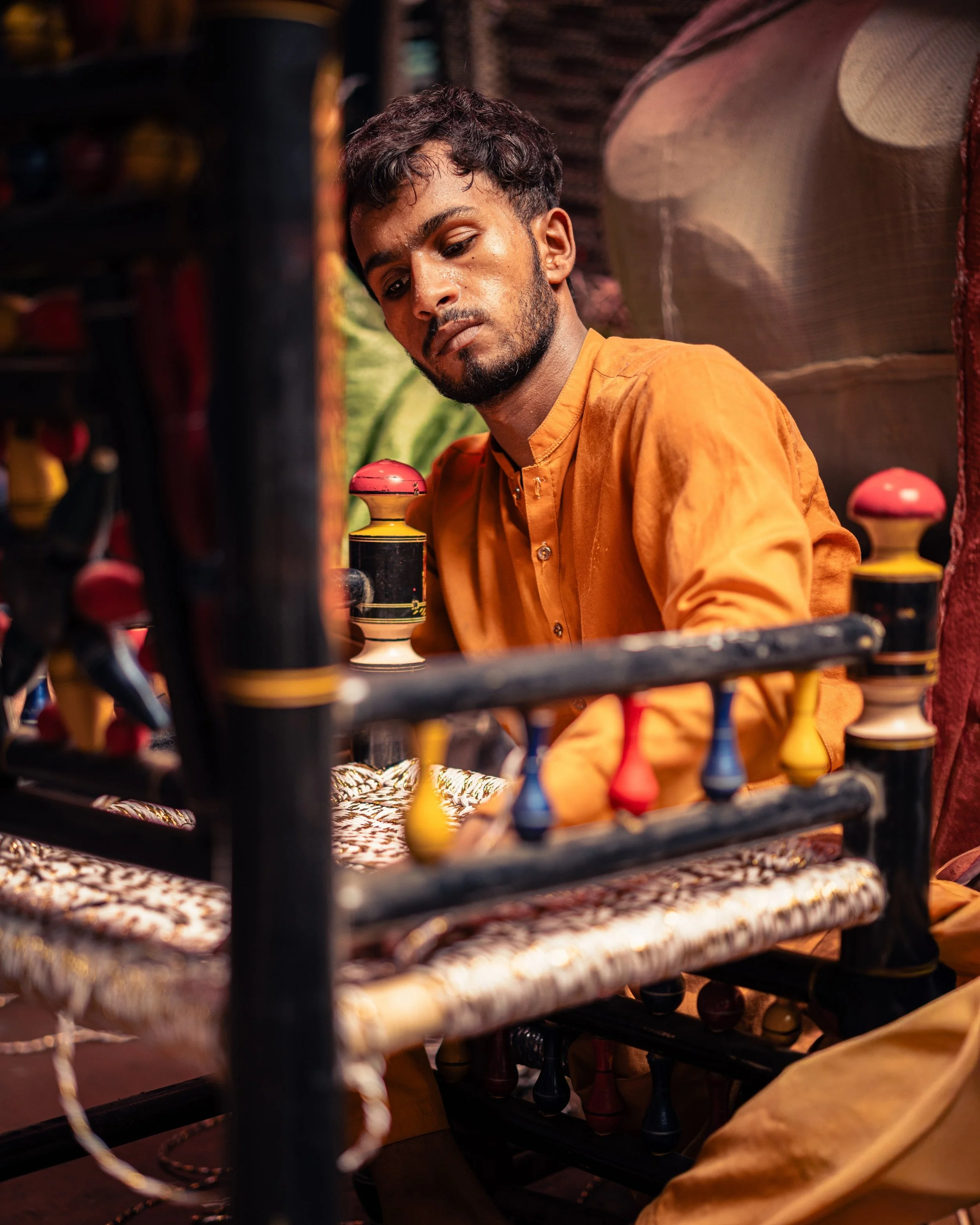
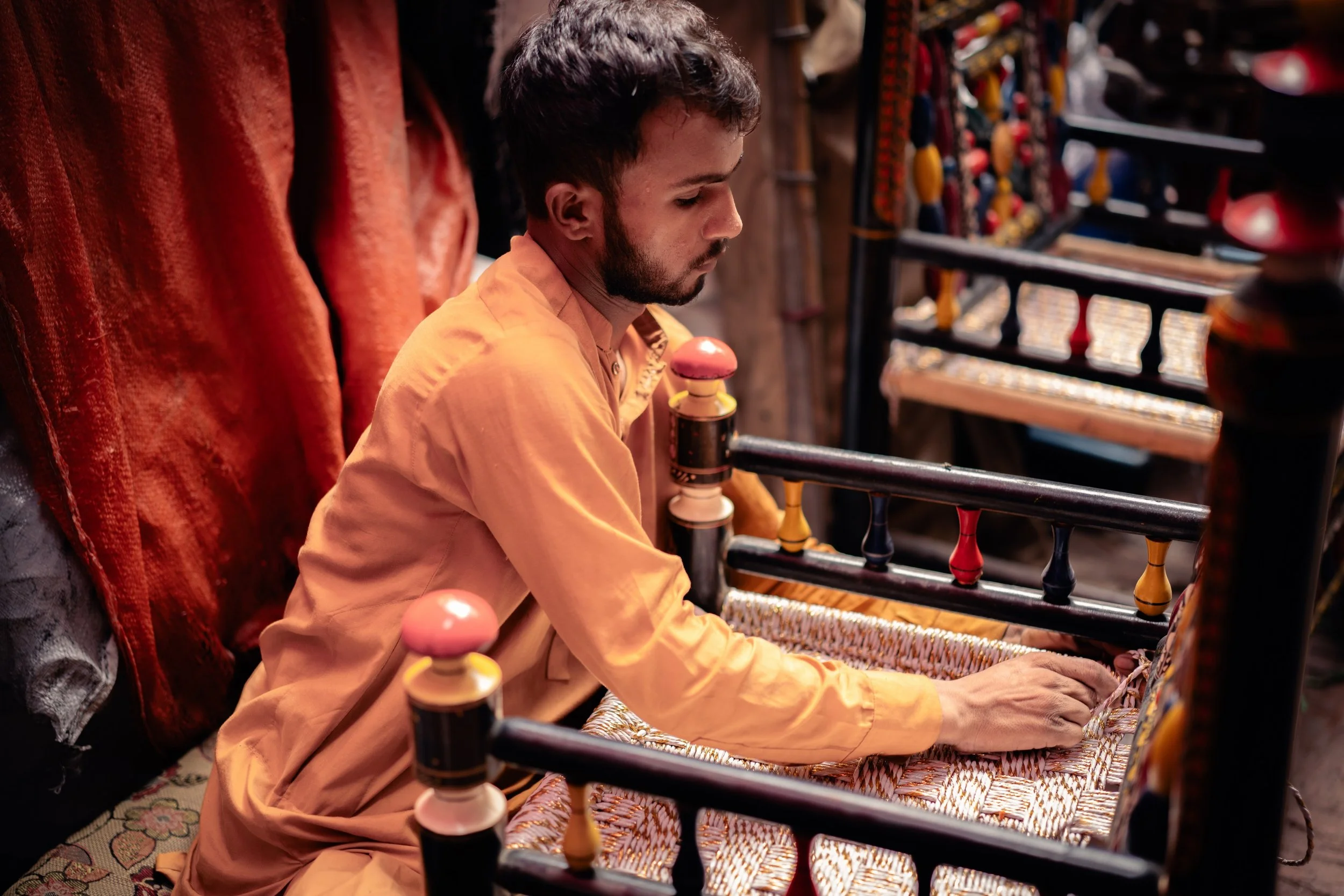
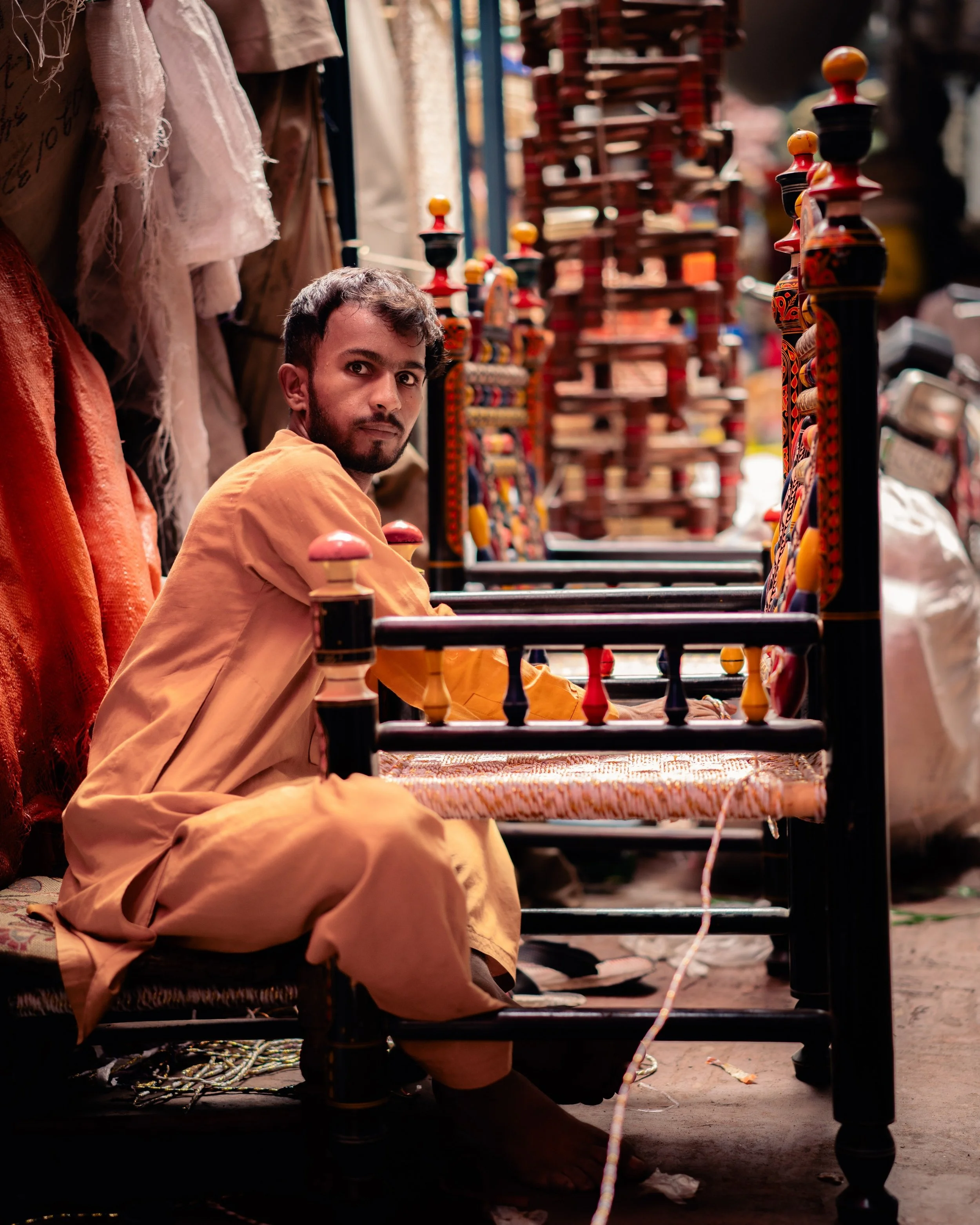
Welcome to Waan Market, nestled deep within the historic Walled City near Kasera Bazaar. Established over 125 years ago and known as Bazar Waan Wattan prior to the 1947 partition, this market is a living museum of local craftsmanship. But what exactly is "waan"? Waan is the traditional rope or cord, spun tightly from natural fibers, that is used to weave the sturdy seats of charpais (traditional woven beds) and peeras (stools).
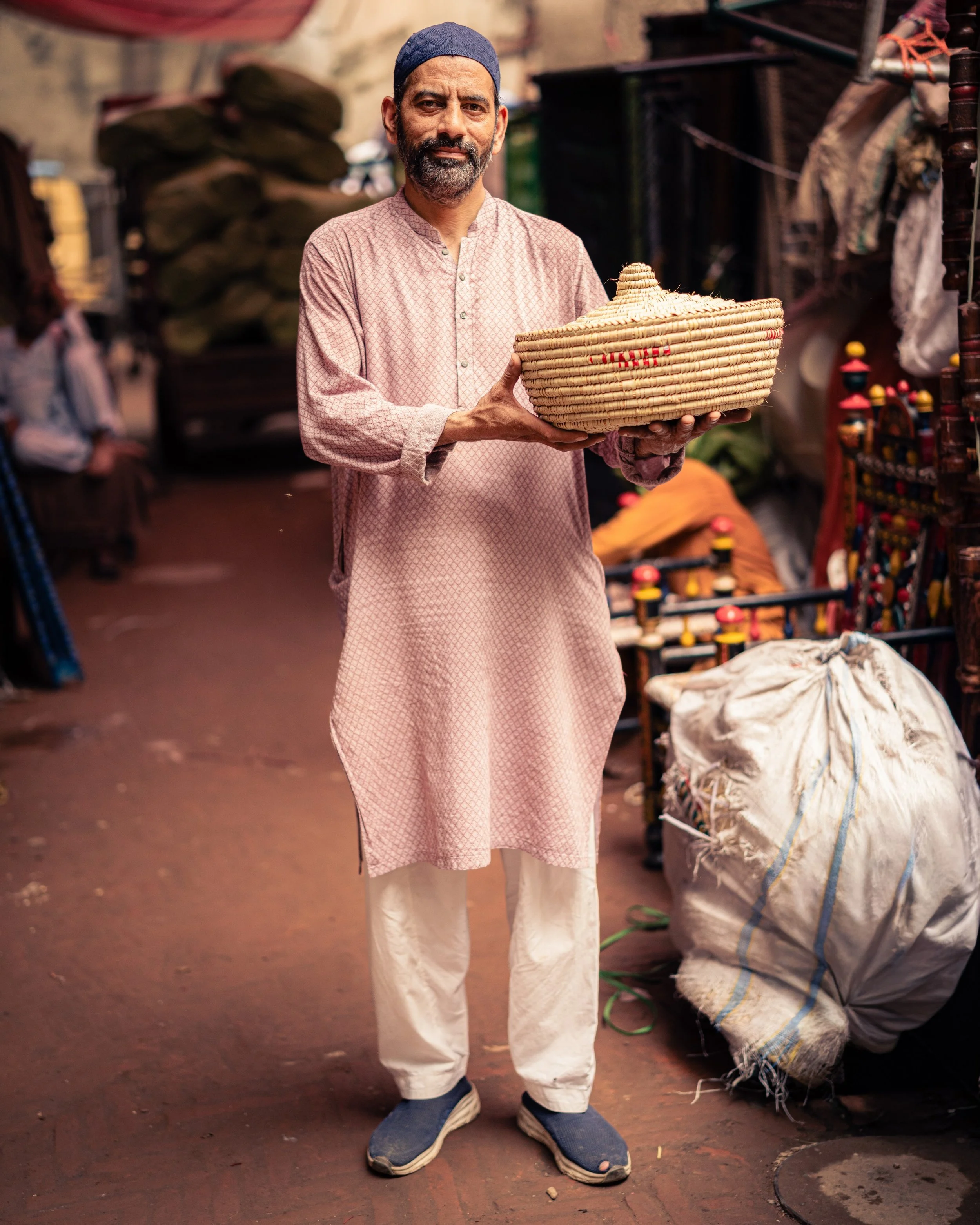
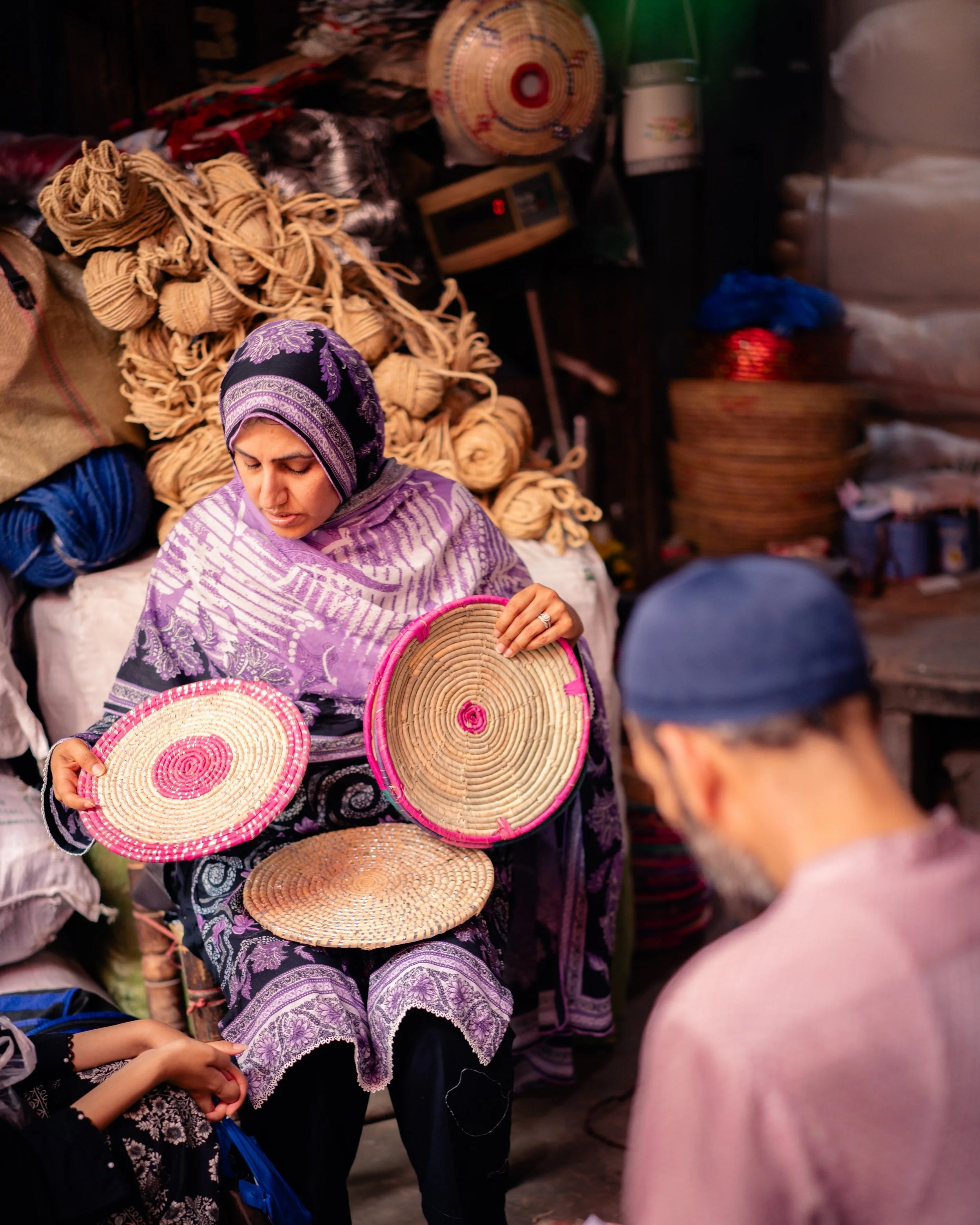
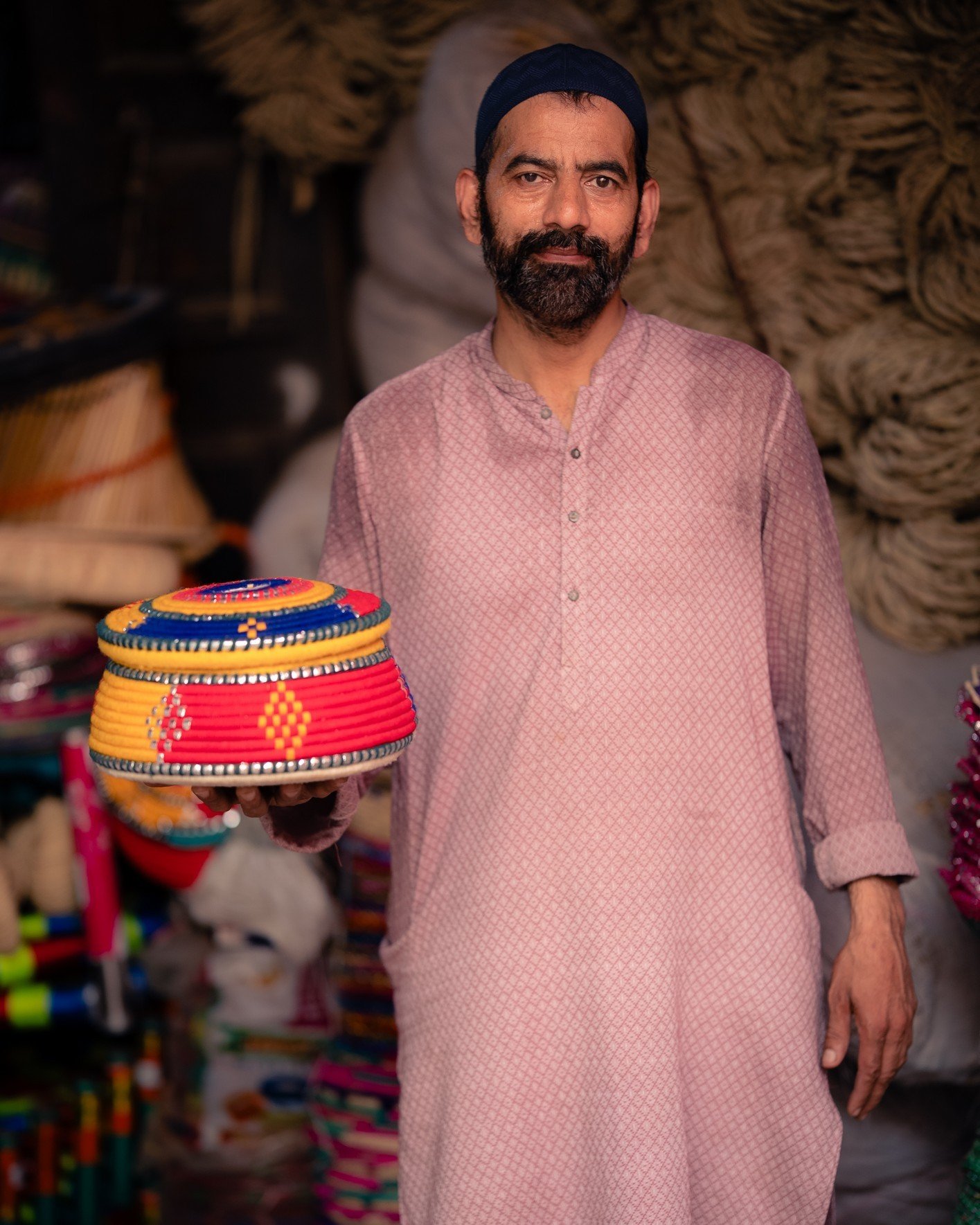
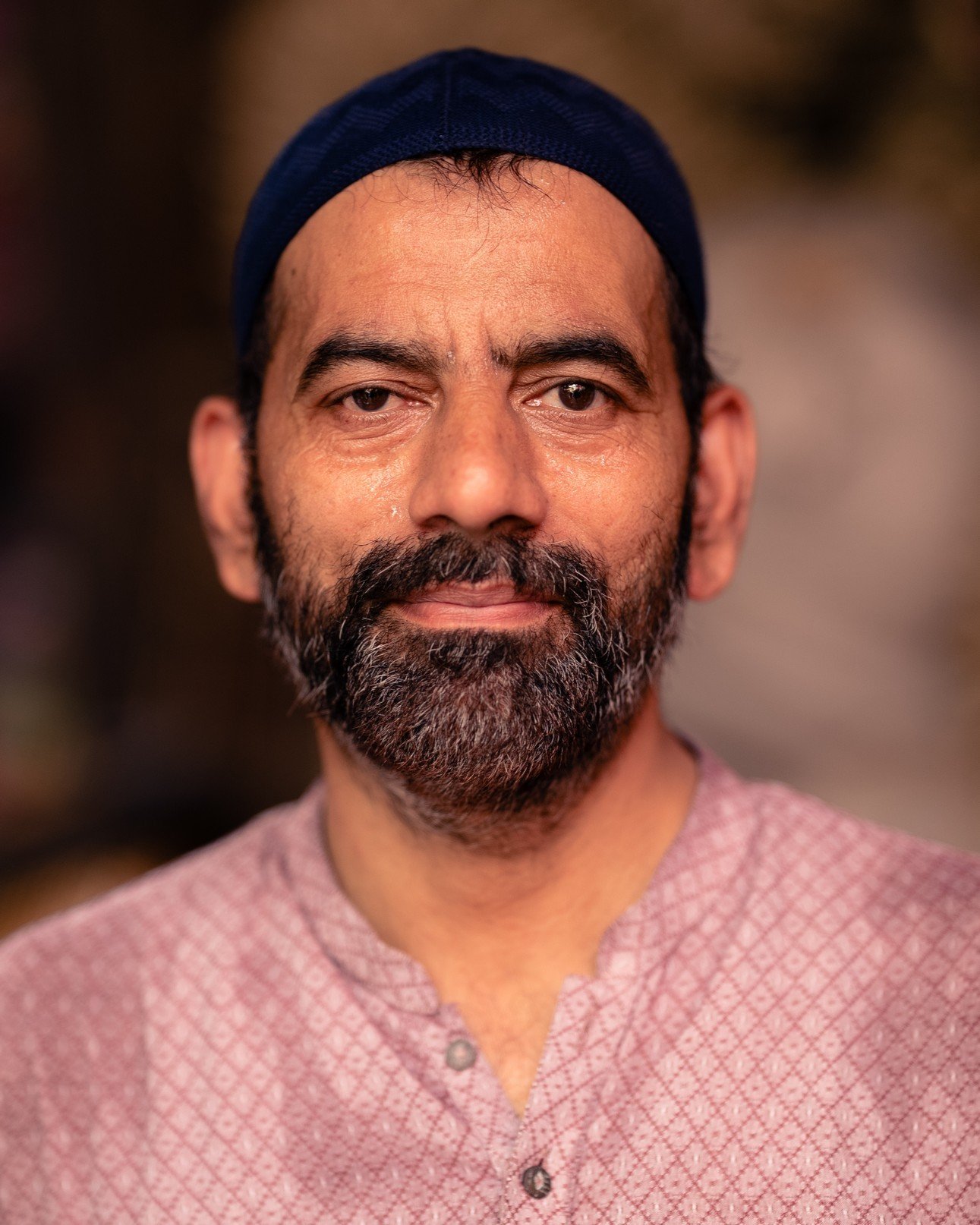
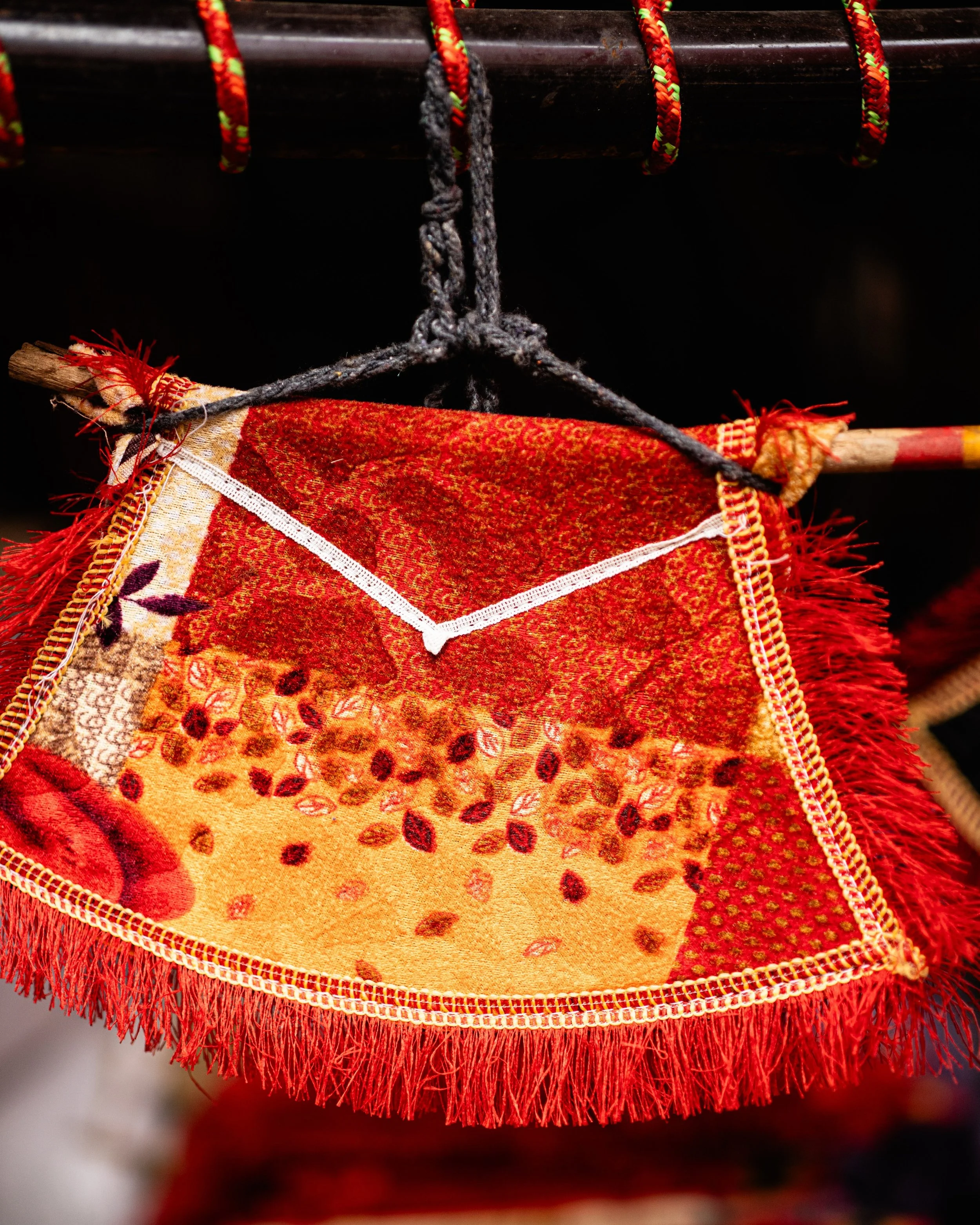
As I navigated the market, I let the raw, spontaneous moments guide me. During a brief conversation I captured on the fly, a local shopkeeper graciously unpacked the history and materials behind the craft. He explained that the beautifully patterned mats and chhabas (baskets) are known as khaji, which are predominantly woven from date palm leaves. The craftsmanship is a geographic tapestry; every region leaves its own distinct signature on the designs, with the artisanal styles of the Pathan areas differing vastly from those found in Sindh.
The weavers don't restrict themselves to date palms, either. They also utilize wheat stalks, bamboo reeds, and even pomegranate leaves to create different textures. To give the baskets and mats an eye-catching shine, they intertwine puni—brightly colored tinsel and threads that catch the light.
To truly capture the essence of a place, you must notice the details and engage with people. Here is a reel and then a few photos from my time in the market:
Stories unfold, and inspiration often comes from the connections you make when you stop and listen to what people have to say. Like the antique copper cup and the kalai wala who first brought me to the Walled City, these woven pieces are more than functional items; they are tangible bridges connecting us to a rich, shared heritage. As creators, we should always strive to leave our audiences with something to ponder long after the screen goes dark.
What forgotten pockets of heritage or local craftsmanship have you stumbled upon during your own travels?